Custom clamshell packaging design is one of the more practical ways to address that problem. It gives brands control over fit, security, material, and end-user experience in a way that off-the-shelf formats rarely allow.
Clamshells vs. Blister Packs: A Quick Distinction
These two formats get used interchangeably in conversation, but they’re different in meaningful ways.
Blister packaging bonds a formed plastic cavity to a printed card, typically through adhesive. It works well for lightweight products on pegboard displays, and the card carries most of the branding. The tradeoff: adhesive contamination makes many blister packs difficult to recycle, and the format offers limited security once a product reaches the shelf.
Clamshell packaging is self-contained. Two hinged halves close around the product and seal through RF welding, heat sealing, or a mechanical closure. There’s no card required, the package is harder to tamper with, and, depending on the closure, it can be designed to open and reclose after purchase.
For heavier products, higher-security applications, or packaging that needs to function as a container after opening, clamshells tend to be the stronger choice.
Designing Theft-Resistant Clamshells for Retail
The decisions that shape a clamshell happen early. Material selection, wall thickness, hinge placement, closure type, and compliance requirements all affect how the finished package performs at retail and how it’s manufactured.
A few things worth working through at the start of any retail custom clamshell packaging design:
- Closure mechanism. RF-sealed and tamper-evident designs offer stronger theft resistance than snap-close alternatives. For products requiring Certified Child-Resistant (CCR) compliance—common in medical, cannabis, and certain consumer categories—that requirement needs to drive design from the beginning, not get bolted on at the end.
- Visibility. Clear materials like PETG and APET let the product do the selling. For retail plastic packaging, optical clarity is a real consideration.
- Usability. Frustration-free packaging has moved from a differentiator to a baseline expectation. Jamestown Plastics developed Clamtainer® specifically to address this: a patented clamshell with Click-It® Closure Technology that opens one-handed, closes securely, and holds up as a reusable container after purchase.
What Is the Best Plastic for Retail Clamshells?
Material choice depends on the product, the retail environment, and sustainability requirements. These three options cover most retail clamshell applications:
- PETG offers excellent clarity and toughness with strong forming properties. A reliable general-purpose choice for consumer retail.
- APET is strong, lightweight, and recyclable—a good fit when recyclability is a stated priority.
- RPET, made from post-consumer or post-industrial content, delivers comparable performance to virgin PET with a reduced environmental footprint. It’s increasingly specified by brands with active sustainability commitments.
Getting the material right comes down to balancing rigidity, clarity, chemical resistance, and end-of-life recyclability. That’s a conversation worth having early, with a manufacturer who can evaluate the full picture rather than default to what’s most familiar.
Sustainable Retail Plastic Packaging Goes Beyond Material Selection
Recyclable material is a starting point. How the package is designed affects whether it actually gets recycled.
Traditional blister packaging bonds plastic to a paper card with an adhesive that contaminates both materials, which is part of why blister packs so rarely make it through a recycling stream. Jamestown’s Click-It Card® technology separates product information from the plastic, improving recyclability for both components without sacrificing shelf presence.
Clamtainer follows the same logic. It’s sustainable retail packaging that’s engineered with less material than comparable clamshells, functions as a reusable container after the product is removed, and is made from recyclable materials. For brands trying to align packaging with sustainability goals, design decisions like these are worth building in from the start, not retrofitted after the fact.
What to Look for in a Retail Packaging Manufacturer
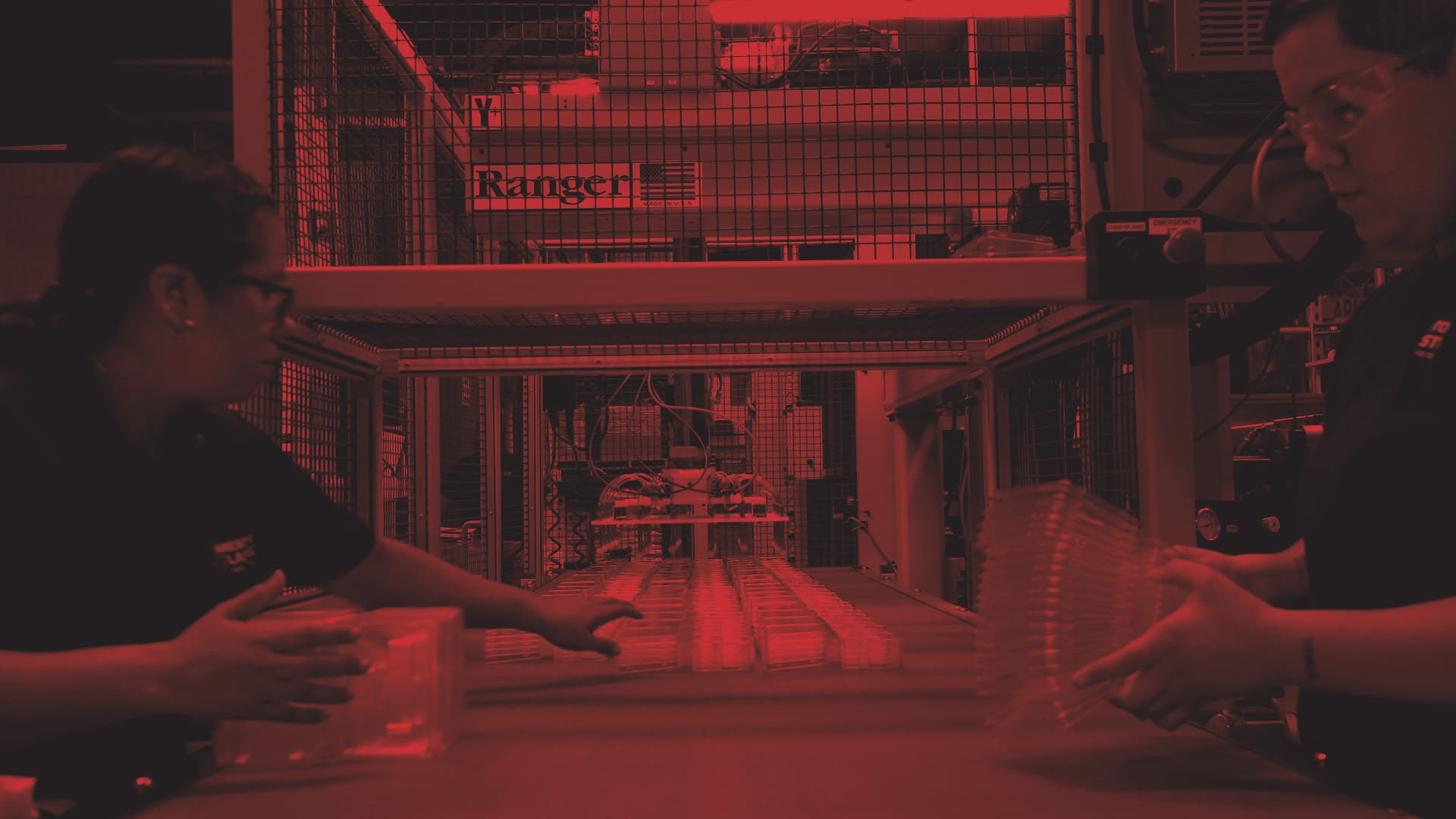
Working with a manufacturer that handles design and tooling in-house shortens the feedback loop considerably. When engineering and production are under the same roof, problems get caught earlier and timelines don’t get stretched by handoffs between vendors.
Other factors worth evaluating: material range, quality certifications, and whether the manufacturer can support contract packaging and fulfillment once the design is finalized. Jamestown Plastics has managed design and tooling in-house since 1988, holds ISO 9001:2015 certification, and offers contract packaging services that carry a project from concept through delivery.
Start the Conversation Early
The strongest retail clamshell packaging comes from working through design priorities before tooling is locked in. At Jamestown Plastics, we approach each project with the intent of making things better, not just making things.
Explore our Consumer Goods solutions or contact us today to talk through your retail packaging project.